


Do Corrosion Grenades Really Work? The Complete Guide for South Jersey Homeowners
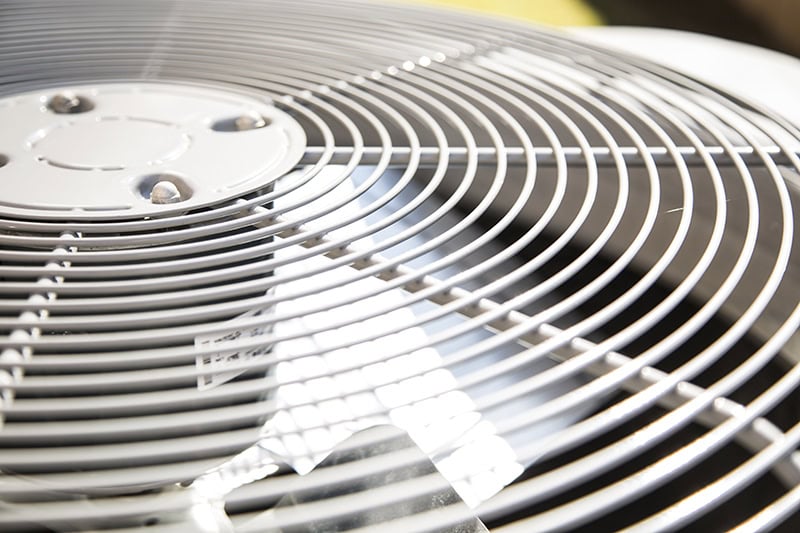
If you own an air conditioner, heat pump, ductless mini-split, or commercial HVAC system near the Jersey Shore, you’ve probably heard about products called Corrosion Grenades. These devices claim to help protect HVAC equipment from corrosion—but do they actually work?
The short answer is yes—but only when used correctly and as part of a complete corrosion prevention strategy.
At Comfort Now by Bob McAllister, we’ve been protecting heating and cooling systems throughout Atlantic County and Cape May County, New Jersey for decades. Living and working near the coast has taught us one thing: salt air is one of the biggest enemies of HVAC equipment.
Whether you live in Ocean City, Cape May, Sea Isle City, Avalon, Stone Harbor, Wildwood, Margate, Longport, Brigantine, or anywhere throughout South Jersey, understanding how corrosion affects your HVAC system can help you avoid thousands of dollars in unnecessary repairs and early equipment replacement.
What Is a Corrosion Grenade?
A Corrosion Grenade is a Vapor Corrosion Inhibitor (VCI) that slowly releases microscopic corrosion-inhibiting molecules into enclosed spaces.
These molecules attach themselves to exposed metal surfaces and create an invisible protective layer that helps reduce oxidation caused by moisture, humidity, and airborne contaminants like salt.
Unlike spray-on coatings, Corrosion Grenades work continuously inside enclosed electrical compartments without requiring direct application to every component.
Do Corrosion Grenades Actually Work?
Yes.
Corrosion Grenades have been shown to help reduce corrosion on enclosed electrical components, especially in humid and coastal environments.
They are commonly used to help protect:
- Electrical contactors
- Circuit boards
- Relays
- Terminal strips
- Disconnects
- Control panels
- Electrical connections
- Motors
- Commercial electrical cabinets
They are especially beneficial in coastal environments where salt-laden air accelerates corrosion.
However, it’s important to understand their limitations.
What Corrosion Grenades Do NOT Protect
Many homeowners mistakenly believe installing a Corrosion Grenade protects the entire outdoor HVAC unit.
Unfortunately, that’s not how they work.
A Corrosion Grenade cannot stop salt air from attacking the outdoor condenser coil, cabinet, or exposed hardware.
These products are designed primarily for enclosed electrical spaces.
They will not prevent:
- Condenser coil corrosion
- Aluminum fin deterioration
- Cabinet rust
- Rusted screws and fasteners
- Coil refrigerant leaks
- Outdoor fan blade corrosion
- Paint deterioration
Why Salt Air Destroys HVAC Systems
One of the biggest challenges facing homeowners in South Jersey is our coastal climate.
Salt particles travel surprisingly far inland. Even homes located several miles from the beach can experience accelerated corrosion.
Salt attracts moisture from the air.
Once salt settles on an outdoor air conditioner or heat pump, moisture remains on the metal much longer than normal. This dramatically speeds up oxidation and corrosion.
Over time, corrosion can damage:
- Outdoor condenser coils
- Copper tubing
- Aluminum fins
- Electrical connections
- Contactors
- Fan motors
- Cabinets
- Fasteners
- Refrigerant lines
Without proper maintenance, corrosion eventually leads to reduced efficiency, refrigerant leaks, electrical failures, and premature equipment replacement.
How Long Does Salt Air Damage an Air Conditioner?
There isn’t one simple answer because every installation is different.
Several factors affect how quickly corrosion develops:
- Distance from the ocean
- Wind direction
- Humidity levels
- Frequency of maintenance
- Equipment quality
- Protective coatings
- Exposure to direct ocean spray
Homes directly on the beach typically experience corrosion much sooner than homes located five or ten miles inland.
However, we’ve seen corrosion occur throughout Atlantic and Cape May Counties because salt air travels much farther than most homeowners realize.
Signs Your HVAC System Has Corrosion
Many homeowners don’t realize corrosion is becoming a problem until expensive repairs are needed.
Common warning signs include:
- Rust forming on the outdoor cabinet
- White or green corrosion on copper tubing
- Bent or deteriorating condenser fins
- Frequent electrical failures
- Pitted or corroded electrical contacts
- Refrigerant leaks
- Reduced cooling performance
- Higher electric bills
- Loud outdoor fan motors
- Systems that require frequent repairs
If you notice any of these symptoms, it’s a good idea to have your system inspected before the damage becomes more severe.
Should You Buy Coastal-Rated HVAC Equipment?
If you live close to the ocean, the answer is often yes.
Many manufacturers now offer equipment designed specifically for coastal environments.
These systems may include:
- Factory-applied coil coatings
- Corrosion-resistant fasteners
- Protective cabinet finishes
- Improved drainage
- Enhanced cabinet materials
While coastal-rated equipment generally costs more upfront, it can help extend equipment life in harsh environments.
The Best Ways to Protect Your HVAC System from Salt Air
No single product prevents corrosion completely.
Instead, we recommend a layered approach.
1. Professional Coil Protectant Coating
One of the best investments for homeowners near the shore is a professionally applied coil protectant coating.
These coatings create a protective barrier that may help reduce salt-air corrosion on the outdoor condenser coil and extend the life of the equipment.
2. Twice-Yearly HVAC Maintenance
Routine maintenance is one of the most effective ways to catch corrosion early.
Comfort Now recommends professional maintenance twice each year to:
- Inspect electrical components
- Clean the condenser coil
- Check refrigerant levels
- Test electrical connections
- Identify corrosion before major failures occur
- Improve system efficiency
Regular maintenance can also help protect your manufacturer’s warranty and maximize equipment life.
3. Rinse the Outdoor Unit
If you live near the shore, periodically rinsing the outdoor condenser with fresh water can help remove accumulated salt deposits.
Never use a pressure washer, as it can damage the delicate aluminum fins.
4. Install a Corrosion Grenade
A Corrosion Grenade can provide an additional layer of protection for enclosed electrical components.
Think of it as protecting the “brain” of your HVAC system—not the entire outdoor unit.
5. Replace Worn Components Before They Fail
Replacing corroded electrical components before they fail can help prevent emergency breakdowns during the hottest or coldest days of the year.
Are Corrosion Grenades Worth the Money?
For many South Jersey homeowners, yes.
A Corrosion Grenade is relatively inexpensive compared to replacing contactors, relays, circuit boards, or other electrical components damaged by corrosion.
However, it should be viewed as one part of a complete corrosion prevention plan, not a cure-all.
Frequently Asked Questions
Can a Corrosion Grenade stop condenser coil corrosion?
No. Corrosion Grenades primarily protect enclosed electrical components. They do not protect exposed condenser coils from salt-air corrosion.
Do Corrosion Grenades work on mini-splits?
They may help protect electrical compartments within ductless systems, but they do not protect the outdoor coil or cabinet from salt-air exposure.
How often should a Corrosion Grenade be replaced?
Most manufacturers recommend replacement approximately every two years, although this may vary by product and environmental conditions.
Is a coil coating better than a Corrosion Grenade?
They serve different purposes.
A coil coating protects the outdoor coil, while a Corrosion Grenade helps protect enclosed electrical components. Using both provides more comprehensive protection.
Can corrosion be reversed?
Unfortunately, no. Once metal has significantly corroded, the damage cannot usually be reversed. The goal is to slow future corrosion and replace damaged components when necessary.
Why Homeowners Throughout South Jersey Trust Comfort Now by Bob McAllister
Protecting HVAC equipment from corrosion requires more than installing quality equipment—it requires understanding the unique coastal conditions that affect homes throughout South Jersey.
At Comfort Now by Bob McAllister, we’ve helped thousands of homeowners and businesses throughout Atlantic County and Cape May County maintain, repair, and replace HVAC systems exposed to salt air.
Our experienced technicians understand how coastal conditions affect heating and cooling equipment and can recommend solutions designed to help maximize performance and equipment life.
Whether you need seasonal maintenance, a corrosion inspection, coil protectant coating, repairs, or a complete HVAC replacement, we’re here to help.
Schedule Your HVAC Maintenance Today
The best time to protect your HVAC system from corrosion is before expensive damage occurs.
If your home or business is located anywhere in Atlantic County or Cape May County, schedule a professional maintenance visit with Comfort Now by Bob McAllister.
We’ll inspect your system, identify signs of corrosion, recommend preventative solutions, and help you protect one of the most valuable investments in your home.
Comfort Now by Bob McAllister proudly serves homeowners and businesses throughout Atlantic County and Cape May County, New Jersey, with expert HVAC installation, repair, replacement, and preventative maintenance.