


Why the Air Vents in Your South Jersey Home Should Be Open
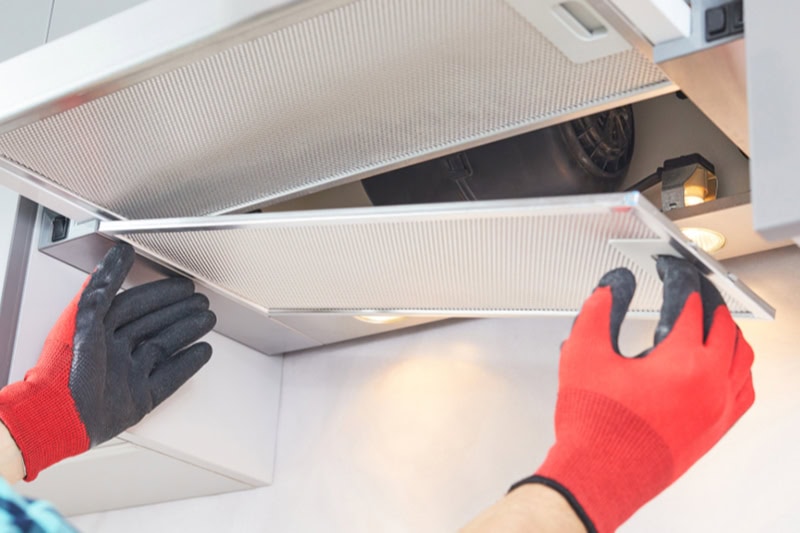
You hose down your outdoor condenser unit, faithfully replace system air filters, and schedule your AC tune-up every spring, but when did you last clean your grilles and registers?
Air vents—and the grilles and registers that cover them—are essential to your heating and cooling system in Egg Harbor Township, NJ. They are the gateways to climate control in your home, and should be clean, unobstructed, and open to help your HVAC system perform effectively.
However, they are easy to overlook when much of home maintenance focuses on big, visible appliances like AC units, furnaces, and heat pumps. But the truth is, air vents, grilles, and registers need TLC too.
At Comfort Now by Bob McAllister, we spend our days maintaining, repairing, and installing HVAC systems to help families throughout Atlantic and Cape May counties maintain indoor comfort. A common issue we see in South Jersey is poor airflow caused by neglected vents.
You can easily prevent air vent-related airflow problems by including grilles and registers as a part of your home maintenance. Let’s look at why your vents need to stay open, unobstructed, and clean, and how a few simple habits can protect your wallet and your HVAC system.
Why You Should Keep Air Vents Open
Your central heating and cooling system circulates air by drawing a precise volume of stale air from your rooms through return grilles, conditioning it, and blowing it back into your living spaces through supply registers.
When air flows smoothly through this circulation loop, it maintains the correct ductwork pressure, keeps your evaporator coil at a safe operating temperature, and distributes temperatures evenly throughout your home.
Why You Shouldn’t Close Air Vents
Closing vents in unoccupied rooms to save money on electricity bills is a common HVAC myth. Some homeowners believe that by closing vents, they redirect more air to other parts of their home. But in reality, HVAC systems pump out the same amount of air regardless of how many vents are open.
Closed vents trap air in your ductwork, causing:
- Air pressure increases
- Your blower motor works harder and draws more electricity
- Utility bills increase
Constant high pressure can eventually blow open ductwork seams, freeze your air conditioner’s evaporator coil, or cause your compressor to fail unexpectedly.
Better Ways to Save on Energy Bills
Keep your air vents open to avoid choking your system, and try these safer alternatives:
Feel Cooler: Ceiling fans create a wind-chill effect that makes you feel cooler without blasting your AC. In fact, you can raise the thermostat temperature by 4° without feeling hot. Run your fan counterclockwise, and be sure to shut it off when you leave the room.
Close Blinds: Shut the blinds or drapes on south-facing windows during peak afternoon sun to block solar heat before it warms your home.
Control Temperature: Install a smart thermostat and program it to automatically raise the temperature by a few degrees when you’re out of the house.
Your Air Vents Need to Breathe
Good airflow begins with opening the louvers on vent registers. That alone, however, is not enough to keep air flowing freely to and from your ductwork. You must move furniture and other obstructions away from air vents.
It’s easy to accidentally hang drapes in front of a wall return vent or slide a couch directly over a floor vent. When that happens, it’s just like closing the louvers on a register. Your system has to work harder to blow air around the obstruction.
Always leave at least two feet of open space in front of and around every vent to allow air to circulate naturally.
Why You Should Clean Your Air Vents
Dust, pet hair, cobwebs, and pollen can settle on register louver slats, inside grilles, and on the walls of the air vent. High humidity can also create a breeding ground for mold and mildew.
Every time your HVAC system kicks on, it can dislodge these allergens and blow them into your living spaces, triggering allergy and asthma symptoms. Cleaning registers and grilles improves indoor air quality (IAQ).
How to Clean Air Vent Registers and Grilles
Grilles are typically found on return vents and have no movable louvers. Registers have adjustable louvers that can direct air flow. Both types of air vent covers benefit from occasional cleaning.
Here’s a step-by-step guide to cleaning them:
Stay Safe While Cleaning Vents
Turn off your HVAC system at the thermostat. You don’t want the fan kicking on and blowing dust into your eyes while you work.
Vacuum the Vent Covers
Use your vacuum cleaner’s soft brush attachment to clean the exterior of each grille and register.
Remove the Vent Covers
Using a screwdriver, remove the screws securing the registers and grilles to the wall, floor, or ceiling, taking care not to drop the hardware into the open vents.
Wash the Vent Covers
Remove the vent covers and wash each one in warm, soapy water in a sink or tub. Use a soft cloth to remove grime. Let them dry completely before reinstalling them.
Vacuum Inside the Vent
While the covers are drying, gently use your vacuum hose with a soft brush attachment to remove dust just beyond the lip of the duct opening.
Reinstall the Vent Covers
Screw each dry vent cover back into place. Be sure the register louvers are open. Turn the system on at the thermostat.
Let Comfort Now Optimize Your Airflow
Cleaning, clearing, and opening your air vents are simple ways to support your HVAC system. However, if your Egg Harbor Township, NJ, home is experiencing weak airflow after you’ve cleaned vents and covers, there could be a problem with ductwork sizing or system balance. Our certified technicians at Comfort Now by Bob McAllister have the specialized training and diagnostic tools to diagnose your HVAC system and provide effective solutions. Call us at 609-241-9312 or request service online.