


Why We Install Your HVAC Filter-Drier Inside the House (Not Outside in the Salt Air)
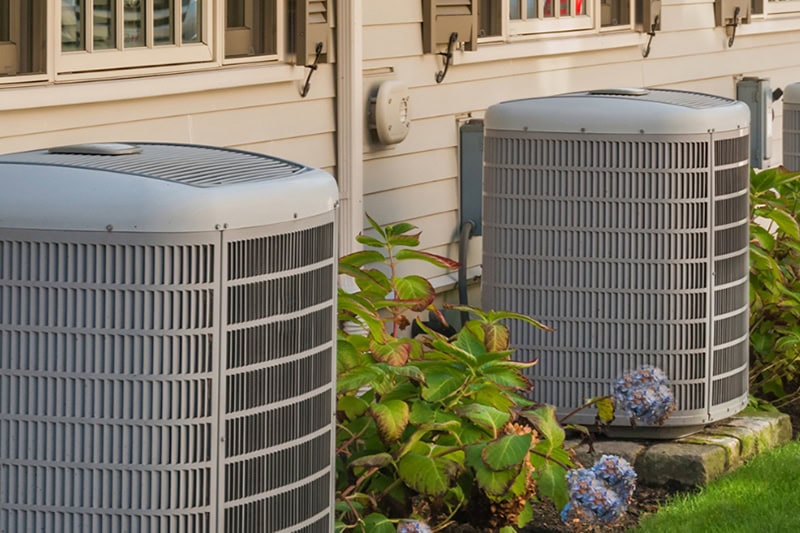
Comfort Now by Bob McAllister installs the liquid-line HVAC filter-drier inside the house, close to the indoor coil, for homes across Atlantic County and Cape May County on the South Jersey Shore. Many other companies leave it outdoors next to the condenser, where salt air corrodes it. Indoors, the drier stays protected from salt, rain, sun, and physical damage.
At a Glance
- Comfort Now by Bob McAllister installs the liquid-line filter-drier indoors on South Jersey Shore homes; many other companies leave it outdoors.
- A filter-drier removes moisture, acid, and debris from the refrigerant in your AC or heat pump.
- Salt air in Atlantic County and Cape May County corrodes painted steel filter-driers and their joints when they are installed outside.
- Many manufacturers, including Carrier-family brands, call for or prefer installing the filter-drier indoors near the indoor coil and TXV.
- An indoor filter-drier is one part of a coastal-ready install, along with Carrier Coastal units, SaltShield™ Coastal Coating, and regular maintenance.
Many crews leave the drier outside because it’s quick. We think the few extra minutes it takes to install it indoors are worth it for Shore homes.
What Is a Liquid-Line Filter-Drier?
A liquid-line filter-drier is a small canister installed in the liquid refrigerant line of an air conditioner or heat pump that traps moisture, acid, and debris before they reach the compressor and expansion valve, and Comfort Now places it indoors in coastal New Jersey to protect it from salt-air corrosion.
Your air conditioner or heat pump moves refrigerant through a sealed loop of copper tubing. The filter-drier is a small metal canister installed in the “liquid line,” the smaller of the two copper lines running between your outdoor unit and your indoor coil.
Inside that canister is a filter and a drying material. Together they:
- Trap moisture that can get into the system during installation or service
- Catch acid that forms when moisture and refrigerant oil mix
- Filter out debris like tiny bits of copper, metal scale from the install, or dirt
Moisture and acid are hard on expensive parts like the compressor and the TXV (thermostatic expansion valve) at the indoor coil. A good filter-drier quietly protects them.
If you have a heat pump, the refrigerant flows both directions depending on whether you’re heating or cooling, so it needs a “bi-flow” filter-drier built for that. Either way, the question is the same: where should it go?
Where Should the Filter-Drier Go: Indoors or Outdoors?
The filter-drier works anywhere along the liquid line, but where it sits makes a big difference in how long it lasts.
Manufacturer guidance favors indoors
Many manufacturers, including the Carrier and Bryant family of brands we install, call for or prefer installing the liquid-line filter-drier indoors, close to the indoor coil and TXV. That spot puts the drier right before the parts it’s meant to protect, and keeps it out of the weather.
Why many installs leave it outside
New outdoor units often ship with a filter-drier, and the fastest move is to install it right next to the condenser. It’s easy to reach and saves time. On an inland home far from the ocean, it may hold up fine for years.
But we don’t live inland. We live at the Shore.
What Salt Air Does to an Outdoor Filter-Drier
If you’ve read our post, Can Salt Air Corrode My Air Conditioner?, you know salt is a silent killer of outdoor HVAC equipment. It eats aluminum fins, attacks copper tubing, and works its way into fittings and joints.
Most standard filter-driers are made of painted steel. Out in the salt air, that paint chips and wears, and the steel underneath starts to rust. Over time, an outdoor drier can face:
- Rust on the shell, which weakens the canister
- Corrosion at the connection joints where steel meets copper, a spot where two different metals meet and salt moisture speeds things up
- UV and rain breaking down paint and any protective coating
- Physical damage from lawn equipment, pets, hoses, or storm debris
Copper or coastal-rated driers hold up better than plain painted steel, and that’s a good step. But even the toughest outdoor part is still sitting in the salt air every day. To be fair, an outdoor drier won’t spring a leak tomorrow. It just tends to wear out sooner, and the risk of corrosion keeps going up over the years.
If a corroded drier does fail outdoors, it can mean a refrigerant leak, moisture getting into the system, and a service call to recover refrigerant, replace the drier, and evacuate the system.
Why Comfort Now Installs the Filter-Drier Indoors
Putting the drier inside the house isn’t a gimmick. It’s one piece of how we build a coastal-ready install for homes in Ocean City, Avalon, Stone Harbor, Margate, Brigantine, Somers Point, Linwood, Egg Harbor Township, Cape May Court House, and all across the South Jersey Shore.
When the drier lives inside your conditioned space, near your air handler or furnace coil:
- No salt air reaches it. The shell, the paint, and the connection joints stay protected.
- No sun, rain, or snow. The weather that wears down outdoor parts never touches it.
- No bumps or knocks. It’s out of reach of mowers, trimmers, and kids’ bikes.
- It sits where the manufacturer wants it, right before the TXV and indoor coil it protects.
- It’s easy for our techs to check during maintenance visits.
Part of a Bigger Plan to Beat Salt Air
An indoor filter-drier is one small step. For the best results at the Shore, we pair it with other coastal protection:
- Carrier Coastal units, built with corrosion-resistant construction for salty environments
- SaltShield™ Coastal Coating, a protective coating we can apply to other new outdoor units
- Regular maintenance and rinsing, like we cover in 3 Tips to Keep Your South Jersey Shore AC Running Smoothly
Frequently Asked Questions
Why does Comfort Now install the HVAC filter-drier inside the house?
Comfort Now by Bob McAllister installs the filter-drier inside the house to protect it from salt-air corrosion on the South Jersey Shore. Indoors, near the indoor coil and TXV, the drier is safe from salt, rain, sun, and physical damage, and it sits where many manufacturers prefer it.
Should a liquid-line filter-drier be indoors or outdoors in salt air?
In salt air, indoors is the better choice. A filter-drier works anywhere on the liquid line, but outdoors at the Shore it is exposed to corrosion every day. Installing it inside the conditioned space, close to the indoor coil, removes that exposure and follows the indoor placement many manufacturers call for.
What does a filter-drier do?
A filter-drier removes moisture, acid, and debris from the refrigerant circulating in your air conditioner or heat pump. That protects expensive parts like the compressor and the expansion valve (TXV). Heat pumps use a “bi-flow” filter-drier because refrigerant flows both directions.
Does salt air damage HVAC filter-driers?
Yes, over time. Most filter-driers are painted steel, and outdoors in coastal areas like Atlantic County and Cape May County, salt air rusts the shell and attacks the connection joints. It won’t fail overnight, but outdoor placement shortens the drier’s life and raises the risk of a leak or contamination later.
Can you move my existing filter-drier indoors?
Often, yes. It involves recovering refrigerant, reconnecting the line, and evacuating the system, so it usually makes the most sense during a repair or a new system install. Our team can look at your setup and tell you honestly whether it’s worth doing.
Ready for a Coastal-Ready HVAC Install?
At Comfort Now by Bob McAllister, we live and work here in Atlantic County and Cape May County. We know what the Shore does to HVAC equipment, and we build our installs to stand up to it, right down to where the filter-drier goes.
If you’re thinking about a new air conditioner or heat pump, or you just want a second opinion on your current setup, we’d be happy to take a look. Call us at 609-400-1005 or request an estimate online for a coastal-ready install.